
Project Description and Highlights:
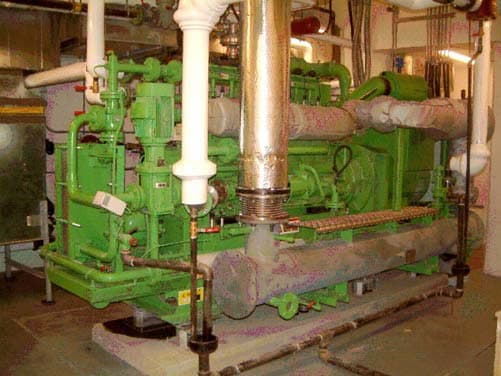
This project included the development of a new generation solution, now known as “Combined Heat and Emergency Power” (CHeP).
This important pilot project was initiated by a nonsolicited detailed proposal to VCI to deliver a turnkey installation, including all equipment procurement, contract administration, detailed design and environmental permitting, project management, construction supervision, startup/commissioning, and subsequently ongoing operation & maintenance, including automatic dispatch and reporting.
Taking advantage of changes in the 2005 edition of CSA-282, Villa Charities Inc. decided to accept the turnkey proposal to install a “First-of-its-kind in Canada” CHeP System at their Villa Colombo Vaughan Seniors Centre in lieu of a proposed standard 250 kW diesel emergency generator.
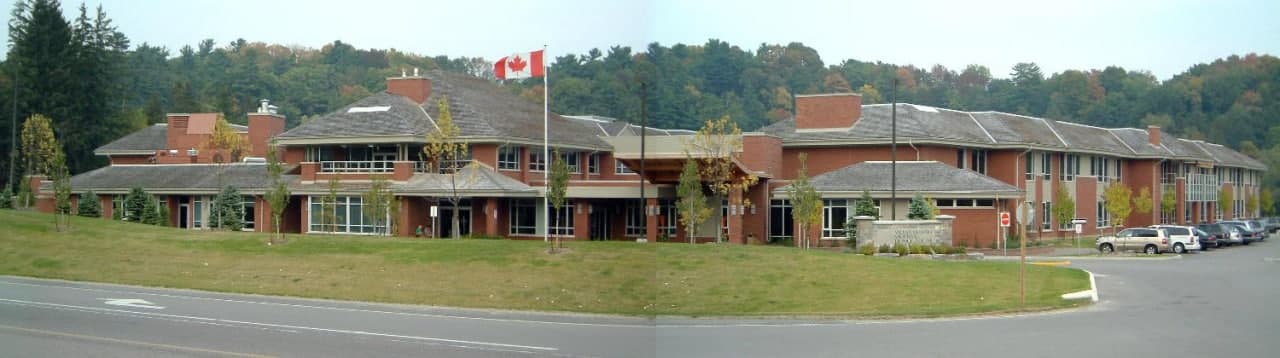
The system received an award from the Ontario Power Authority during the inaugural ceremony.
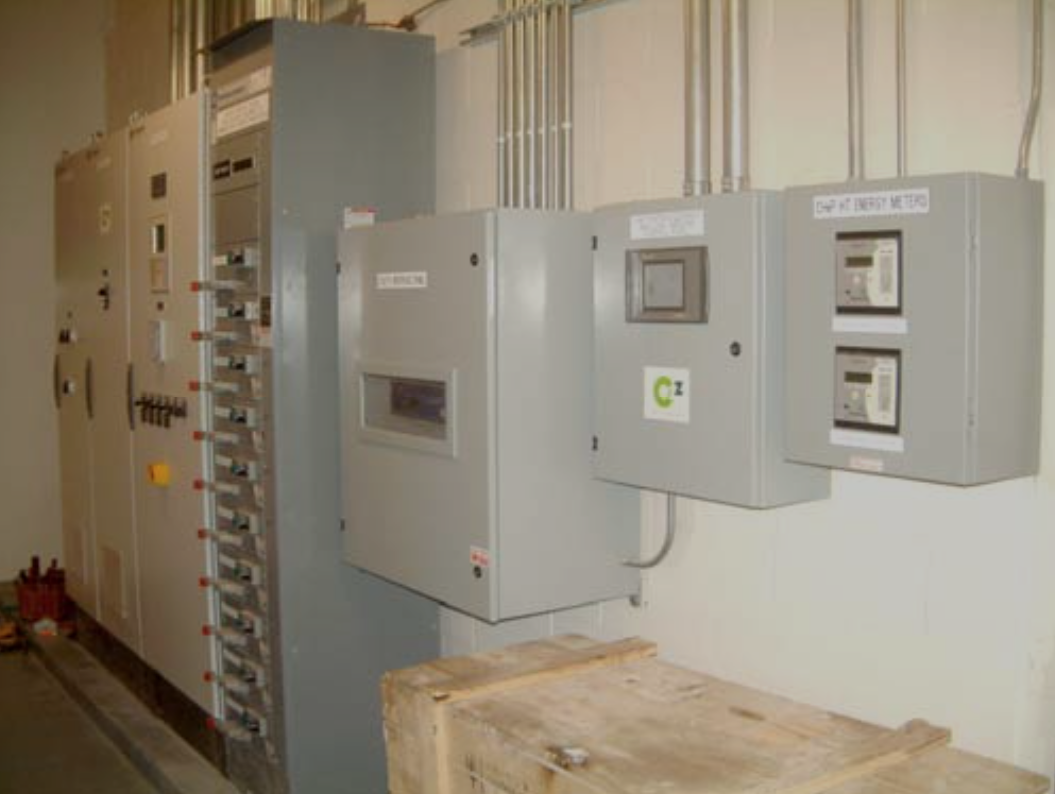
The bulk of financial incentives were secured via a qualifying application to TEAM, with 3 key innovations:
- Seamless (uninterruptible) power transfer to emergency loads during utility power outages, while the system is operating in CHP mode,
- Load Shed Control System which, during “Emergency Operation Mode”, automatically sheds/adds loads to enable maximum safe genset loading.
- A Remote Monitoring Operation & Control System to allow remote monitoring / data logging and, automatic dispatch of the system ensuring optimal economic performance, based on real time cost/benefit analysis, factoring all fixed and variable operating costs vs. all revenues and savings.
The project included the turnkey delivery of:
- all major and ancillary equipment,
- all detailed engineering design/drafting services (structural, mechanical/electrical & environmental),
- project and construction management/supervision,
- startup and commissioning, and
- O&M, including automated dispatch & report generation.
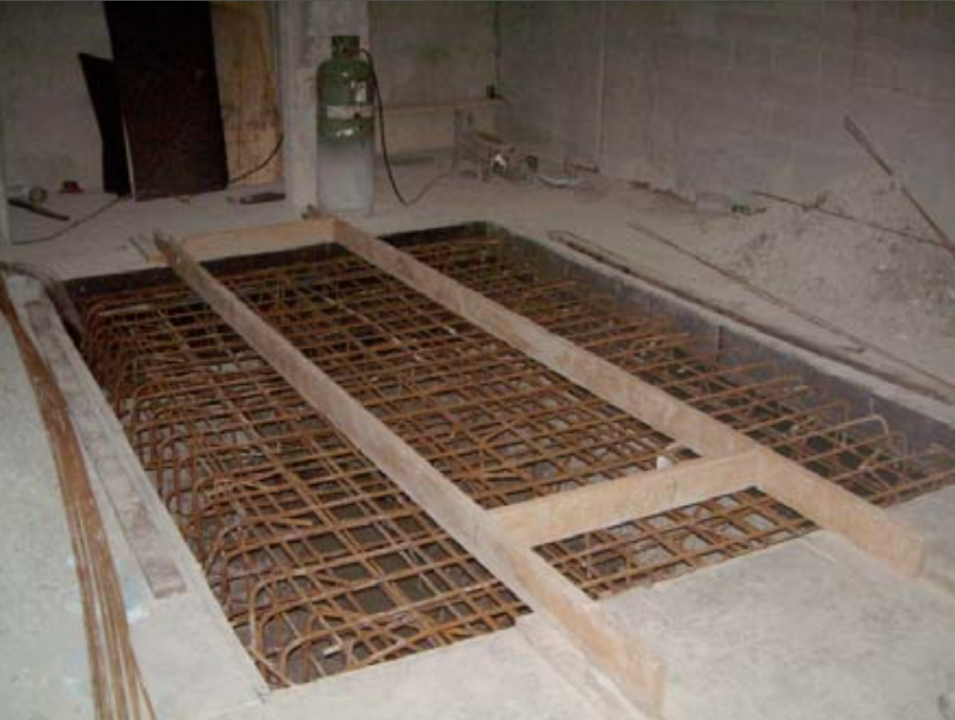
Due to the soil and seismic conditions at the facility a massive 1.5 meter thick concrete inertia pad was installed for the genset to rest on.
The CHeP system was lowered into the basement of the Long Term Care Facility where the diesel generator was originally designed to be installed and then rigged onto the inertia pad with vibration isolation springs.
Mechanical and electrical contractors then connected the CHeP system to the buildings existing infrastructure.
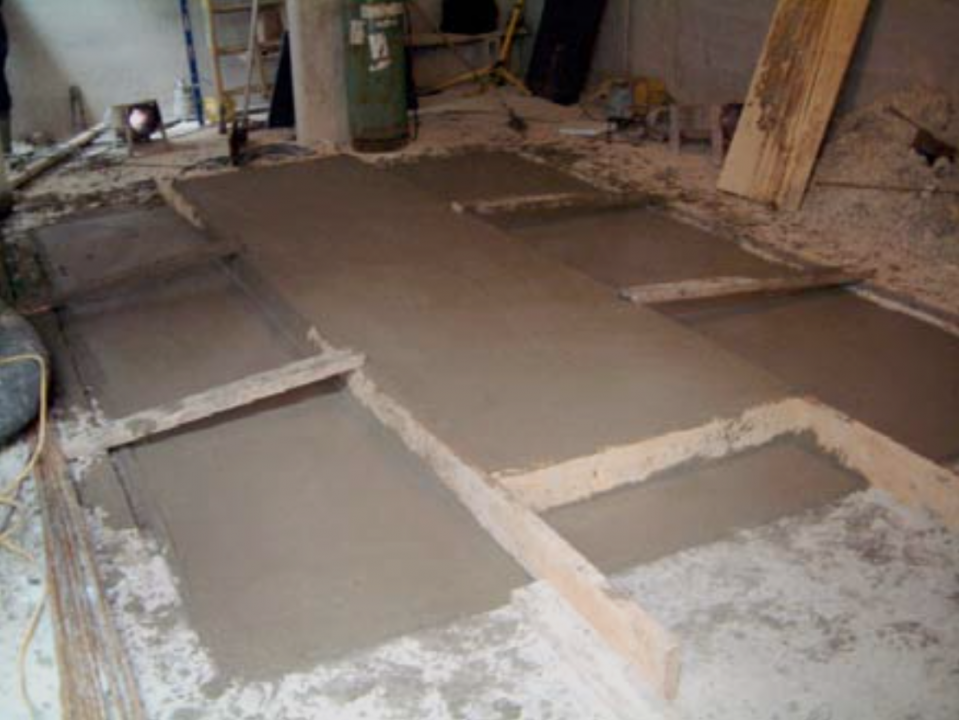
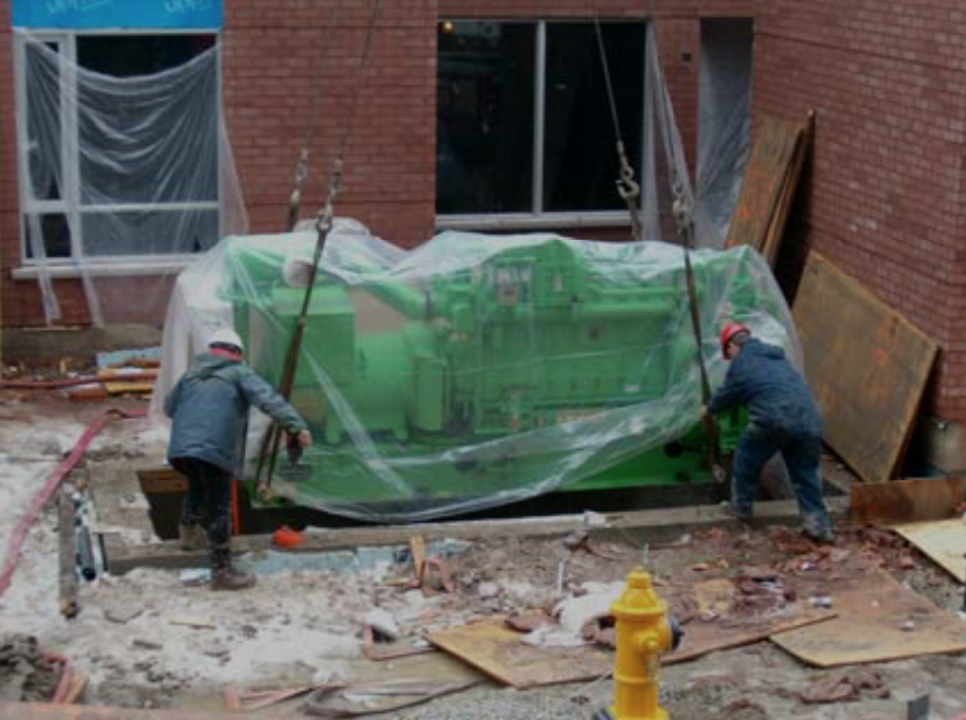
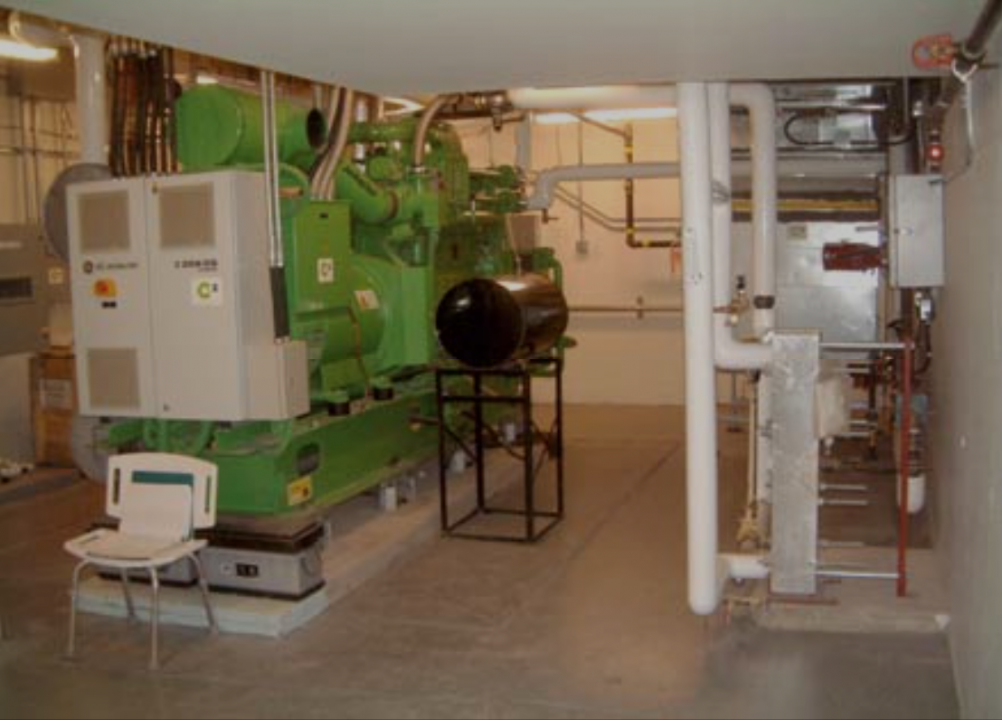
The system includes low temperature heat recovery from the engines aftercooler circuit which is utilized to preheat domestic hot water.
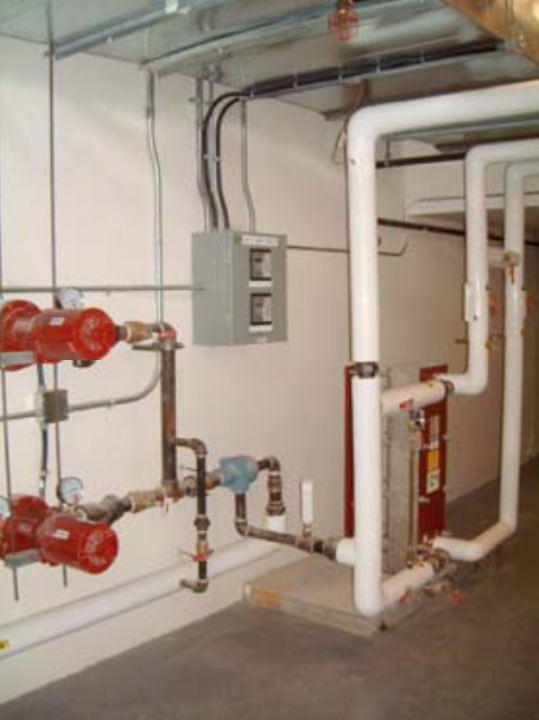
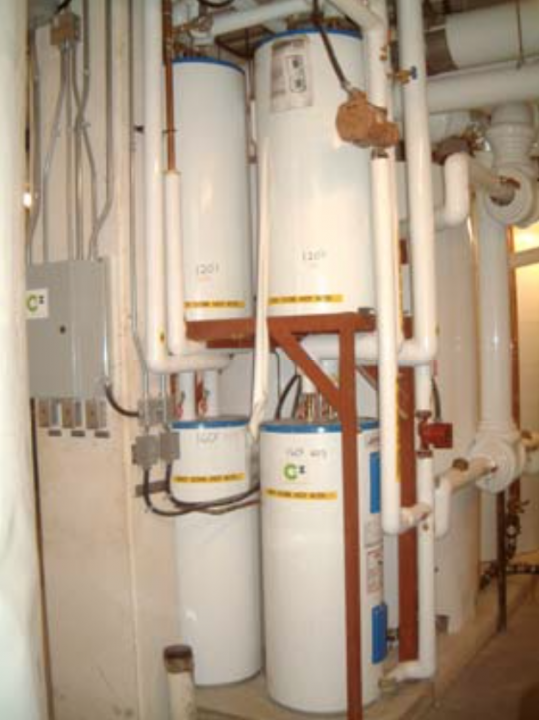
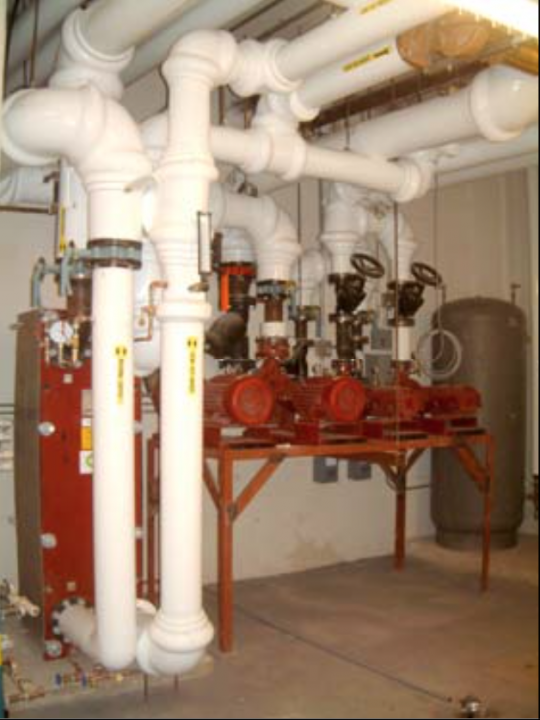
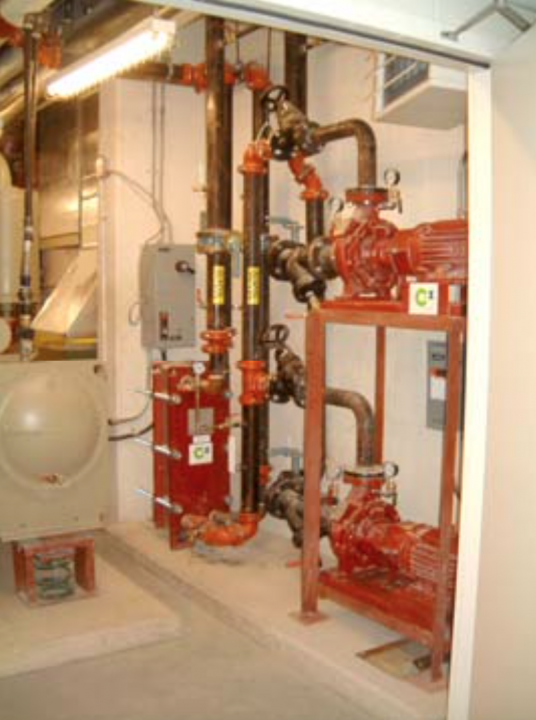
High Temperature heat from the engines oil cooler, jacket water and engine exhaust is recovered and transferred to the buildings hot water heating system where it can then be utilized to heat domestic hot water via a large plate/frame heat exchanger.
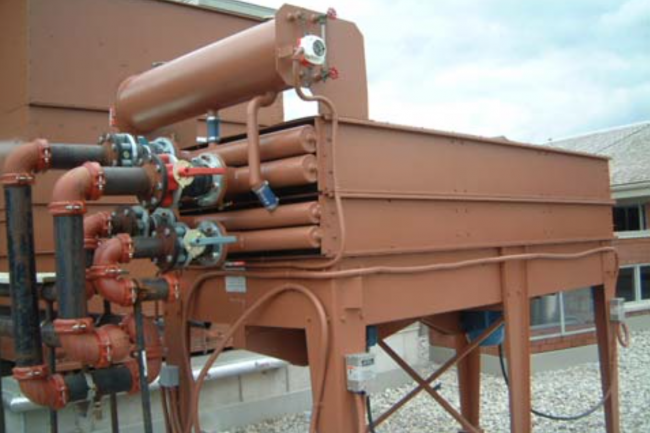
The system is designed for 100% heat dump to ensure it is capable of running in full emergency mode for prolonged periods.
When not required by the facility the thermal energy captured is destroyed via a dual coil (high and low temperature) heat dump radiator mounted on the roof of the facility.
Though the system is capable of running continuously in cogeneration mode its’ main function is to serve as the buildings’ Emergency Power Supply System in accordance with the CSA-282 Standard.
Though the system is capable of running continuously in cogeneration mode its’ main function is to serve as the buildings’ Emergency Power Supply System in accordance with the CSA-282 Standard.